
The Power of Neuroplasticity and Gratitude: Transforming Your Mindset for a Brighter Future

Updated: Apr 16
Understanding Neuroplasticity and Its Impact on Mental Health
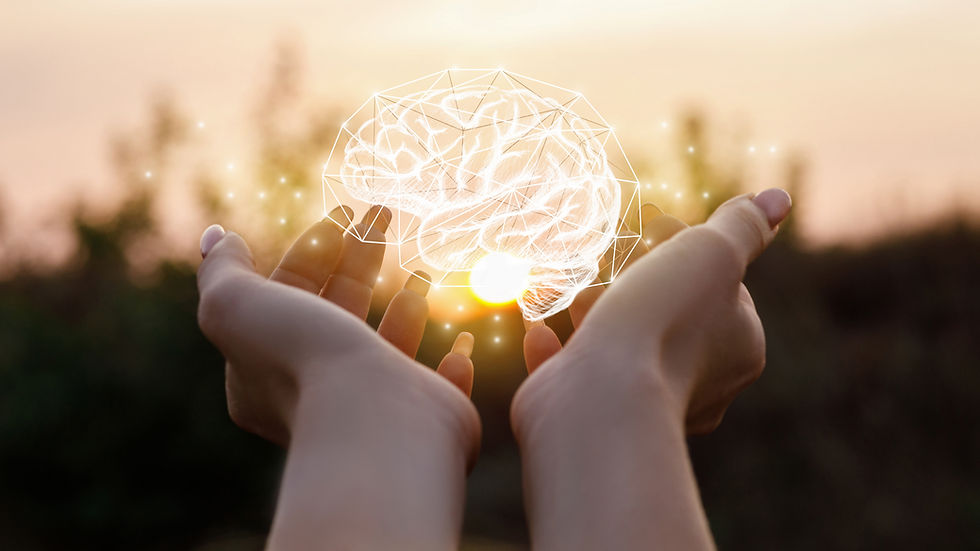
In recent years, the concept of neuroplasticity has revolutionized our understanding of the brain’s capacity to change and adapt throughout life.
Neuroplasticity refers to the brain’s remarkable ability to reorganize itself by forming new neural connections in response to experiences, learning, or environmental changes. Coupled with practices such as gratitude, neuroplasticity offers powerful insights into how intentional mental habits can foster emotional resilience, improve mental health, and enhance well-being.
Traditionally, scientists believed that the brain's structure was largely fixed after a certain age. However, advancements in neuroscience have demonstrated that the brain is far more dynamic. Neuroplasticity enables neurons to rewire, form new connections, and even generate new cells (neurogenesis) in certain regions. This adaptability is fundamental to learning new skills, recovering from injury, and adjusting to changing circumstances. When you repeatedly engage in certain thoughts or behaviors, these neural pathways become stronger, making the corresponding actions or beliefs more automatic.
The Role of Gratitude in Enhancing Neuroplasticity
Gratitude, the practice of recognizing and appreciating the positive aspects of life, has garnered scientific interest for its profound psychological effects. Regularly practicing gratitude can shift focus from negativity and stress toward positivity and contentment. This mental shift influences emotional regulation, reduces symptoms of depression and anxiety, and promotes a happy, healthy outlook.
The relationship between neuroplasticity and gratitude is a compelling example of how deliberate mental practices can physically alter brain structures. When you consistently practice gratitude—such as journaling daily thanks, expressing appreciation to others, or mindful reflection—your brain begins to reinforce neural pathways associated with positive emotions.
Functional MRI studies have shown that gratitude activates areas connected to reward processing and social bonding, including the prefrontal cortex and the anterior cingulate cortex. Over time, these repeated activations strengthen neural circuits related to positive feelings, making gratitude a more natural response. This rewiring process exemplifies neuroplasticity in action, whereby the brain adapts to prioritize recognizing the good in life, enhancing resilience and emotional well-being.
Cultivating Gratitude: Practical Techniques
Understanding this interplay suggests that cultivating gratitude isn’t just a moral or philosophical exercise but a tangible way to reshape brain function. Techniques such as gratitude journaling, mindfulness meditation focusing on appreciation, and expressing heartfelt thanks can all promote neural changes that support mental health. Moreover, these practices can help rewire the brain to respond more positively to challenges and setbacks.
Neuroplasticity underscores the incredible potential of the human brain to change and grow, regardless of age. When combined with the intentional practice of gratitude, it creates a powerful synergy that can lead to improved emotional resilience, greater happiness, and mental clarity. By leveraging your brain’s inherent adaptability, you can consciously cultivate a more grateful outlook on life, ultimately transforming your inner experience and your interactions with the world around you.
Incorporating gratitude practices into daily routines can positively influence neuroplasticity across all age groups, though the specific effects and ease of inducing change may vary depending on age.
Young Adults and Adolescents
During these formative years, the brain exhibits high neuroplasticity, making it highly receptive to positive behavioral changes. Regular gratitude exercises like journaling or mindful reflection can strengthen neural pathways associated with positive emotions, resilience, and social bonding. This can promote healthier emotional development and coping strategies.
Adults
In adulthood, neuroplasticity persists, although it may be somewhat less pronounced compared to earlier life stages. Incorporating gratitude practices can help reinforce existing neural circuits related to well-being and create new ones that support emotional regulation. Over time, this can lead to improved mood, reduced stress, and better management of life's challenges.
Older Adults
While neuroplasticity tends to slow with age, it is still active. Gratitude exercises can help maintain cognitive flexibility and emotional health. Regularly practicing gratitude may aid in preserving neural connections linked to positive affect, potentially reducing the risk or impact of mood disorders such as depression or anxiety.
Overall Impact
Consistent gratitude practices—such as writing gratitude journals, meditation focusing on appreciation, or expressing thanks—stimulate activity in brain regions like the prefrontal cortex and limbic system. Repeated activation fosters neuroplastic changes, strengthening circuits associated with positive feelings and social connectedness.
These changes contribute to greater emotional resilience, happiness, and mental clarity across the lifespan. The key is consistency; even small, daily acts of gratitude can cumulatively produce meaningful neural rewiring at any age.
Incorporating gratitude into daily routines serves as a powerful tool to promote neuroplasticity throughout life. By consciously engaging in gratitude practices, individuals of all ages can enhance their brain’s capacity to adapt, fostering improved emotional health and a more positive outlook on life.
Effective Ways to Cultivate Gratitude
Here are some effective ways to do so:
Gratitude Journaling
Spend a few minutes each day writing down three to five things you're thankful for. This practice helps shift focus toward positive aspects of life and strengthens neural circuits associated with appreciation.
Mindful Thanks
During daily activities—like meals, commuting, or before bed—pause briefly to reflect on what you’re grateful for in that moment. Mindfulness enhances awareness and deepens feelings of gratitude.
Express
Verbally thank others—family, friends, colleagues—for their kindness, support, or simply for being present. Expressing gratitude publicly reinforces social bonds and boosts positive emotions.
Gratitude Meditation:
Dedicate a few minutes to meditate on feelings of gratitude, visualizing loved ones or positive experiences. Regular meditation can enhance neuroplasticity related to positive affect.
Use Visual Cues
Place reminders like notes, photos, or objects that evoke gratitude in your environment. These cues can prompt spontaneous feelings of thankfulness throughout the day.
Acts of Kindness
Engaging in small acts of kindness, like helping others or volunteering, fosters gratitude and creates a feedback loop of positive neural activity.
Reflect on Challenges
Sometimes, considering what you're grateful for even amid difficulties promotes resilience and perspective, strengthening neural pathways associated with optimism.
The Lasting Impact of Gratitude
These practices are easy to integrate into daily life and cumulatively foster neuroplastic changes that enhance emotional well-being, resilience, and a positive outlook. The key is consistency—little actions repeated daily can lead to significant mental and emotional benefits over time.
As we reflect on 2025 and begin setting intentions for 2026, consider the positive, powerful benefits of gratitude and living your very best life.



Atlas Men’s Health https://atlasmenshealth.com/ caught my attention because of how clearly they outline their services and philosophy. Everything feels organized, medically grounded, and patient-focused. I especially like that they emphasize individualized plans rather than one-size-fits-all solutions. It’s a good example of how a modern men’s health clinic should present itself.